
A Simple Shared Note Board for Small Shop Problems
When a register, printer, or message line slows down, a short shared note can keep the team moving without long meetings.
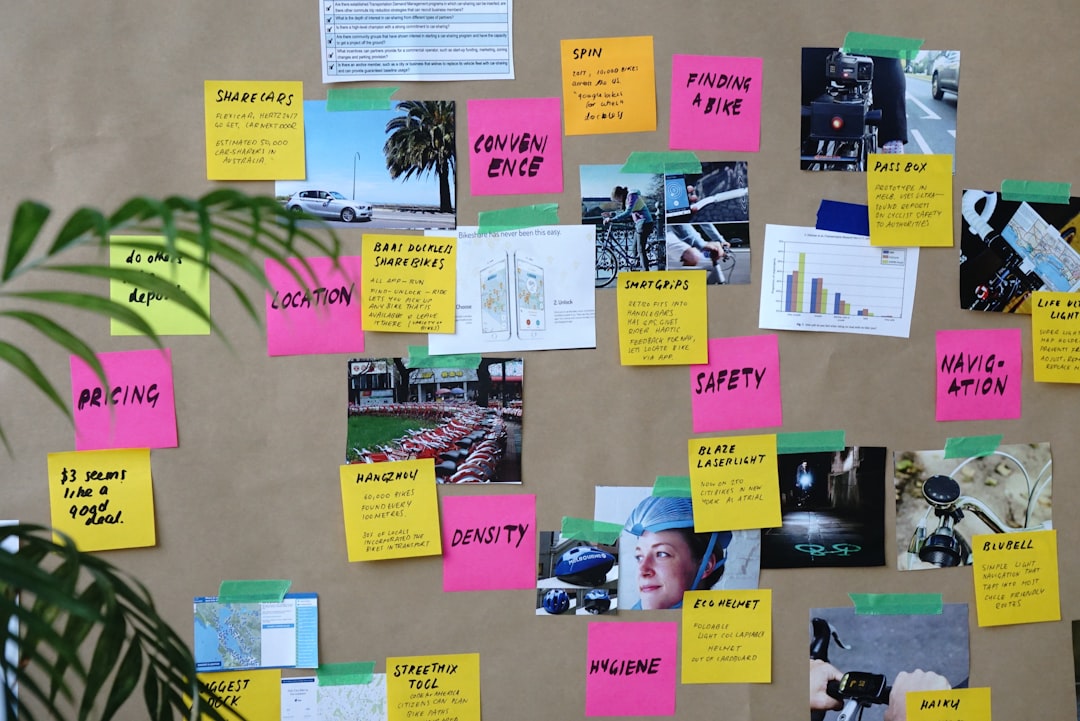
Small shops rarely face one big problem at a time. A register may lag, a printer may jam, a message app may slow down, and a door sign may show the wrong hours. These issues are small enough to fix quickly, but they can pile up when the owner is busy and the part time staff are new. The result is a lot of quick questions, repeated updates, and a few minutes lost at the counter. A simple shared note board gives the team one place to record what is happening, who is handling it, and what needs to be checked next. It does not need to be fancy. It only needs to be visible, short, and easy to update.
The note board can be a paper sheet on the counter, a shared document on a phone, or a simple list in an app the shop already uses. The important part is the structure, not the tool. Each line should answer four questions: what happened, who is looking at it, what is needed, and when to check again. For example, a line might say that the receipt printer is slow, the owner is checking the paper roll, the team should use the backup printer, and the owner will update the note in ten minutes. This keeps the information useful without turning the board into a long story. It also helps the next person know what has already been tried.
A shared note board works best when the team is stretched thin. Part time staff may not know the full history of a problem, and the owner may be moving between the counter, the back room, and a phone call. A short note reduces the need to repeat the same explanation. It also gives the owner a quick view of what is fixed, what is waiting, and what still needs attention. When a customer asks about a delay, the staff member can answer from the note instead of guessing. When a second person joins the shift, they can see the current state without waiting for a long hand over. The board becomes a small bridge between the people who are working and the people who are deciding.
The note board has limits, and those limits should be respected. It is not a full project management system, and it should not store customer names, payment details, or long histories. It should not become a place for complaints, opinions, or detailed explanations. If a problem needs a vendor, the note can say that a call was made and the next check time, without copying the whole conversation. If a problem needs a longer fix, the note can point to a separate document or a simple task list. The goal is to keep the board short enough that anyone can read it in a few seconds. A board that is too long will be ignored, and a board that is ignored will not help the shop.
During a busy shift, the note board should be used with a simple routine. Start with one line per issue, and use plain words that a new staff member can understand. Add a time check, such as ten minutes, thirty minutes, or end of shift. Assign one person to the next action, even if that person is the owner. Keep the board visible where the team can see it without interrupting customers. When a problem is fixed, mark it done and remove it after a short time. If a problem is still open, update the note with the new status. This routine turns the board into a working tool instead of a list that fills up and stays there. It also gives the team a small sense of control when the day feels busy.
To keep the board useful over time, review it at the start and end of each shift. At the start, the owner or lead can add any known issues and confirm who will handle them. At the end, the team can clear finished items and move any open items to the next day. The board should have only a few categories, such as front desk, payments, stock, messages, and building. If a category becomes too large, split it into smaller items. This keeps the board simple and prevents it from becoming a general complaint list. A short review also helps the owner see patterns, such as a printer that fails often or a message line that slows down at the same time each day.
A shared note board is a practical first step for a small shop that needs a calmer way to handle small problems. It can be used with tools the shop already has, and it does not require a long setup. The key is to keep the note short, assign one person to the next action, and check the note at a set time. When the team uses the same simple format, the shop can move faster through busy periods and reduce the chance that a small issue becomes a larger one. The board is not a replacement for good equipment or clear training, but it can make daily work easier to manage. For a local shop, that kind of simple structure can be one of the most useful changes in the whole day.