
An 18-minute daily systems check that prevents admin emergencies
A short daily sweep can keep your shop from getting ambushed by avoidable tech panics when customers are already waiting.
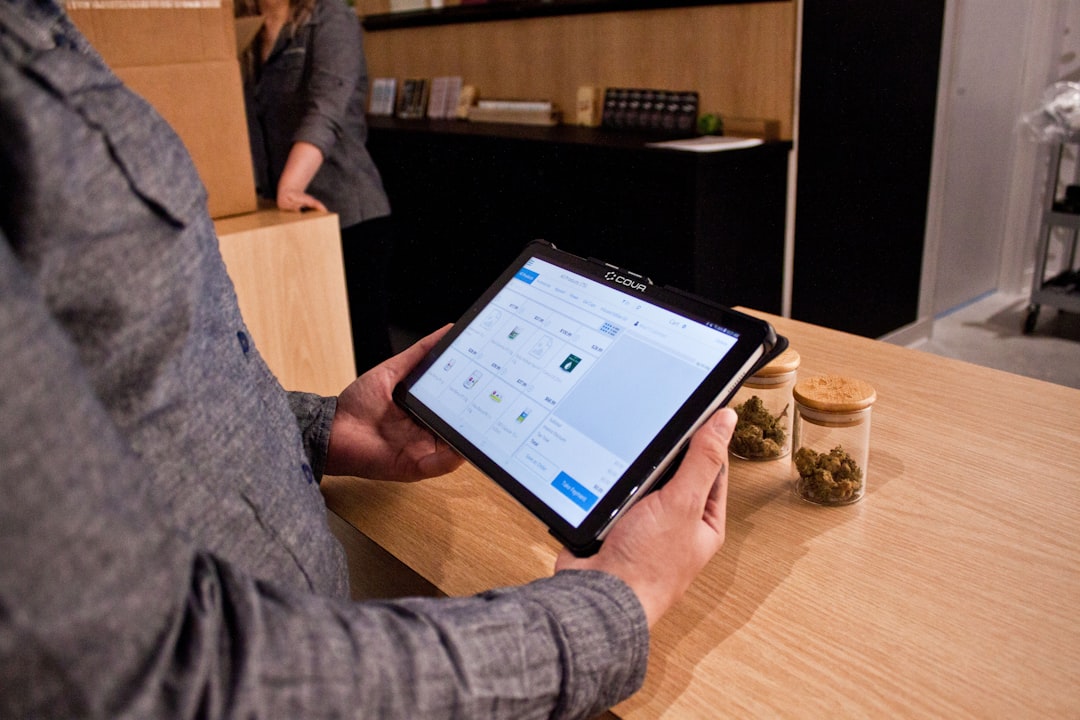
At 9:12 on a Tuesday, Sam opened the shop doors with a full coffee and a tight schedule. A regular walked in with a phone in hand and asked whether the shop was still doing online pickup. While Sam answered, the queue screen on the counter locked up and a staff phone started beeping with three unread messages from customers who wanted rescheduling help. That same morning had looked calm when they arrived at 8:55.
Most owners learn the hard way that calm breaks in clusters, not in isolation. A slow POS sync is annoying by itself. A missed text reply is irritating by itself. But when those two issues happen at once, the line gets tense, the staff gets scattered, and every customer feels the delay.
Most of those moments are not a bad fate issue. They are a process issue. A process issue is fixable with one small habit that takes less time than most emergency fixes.
The idea: build an 18-minute systems check into your opening rhythm
You do not need new software. You need a clear sequence with one owner, one place to record misses, and one simple promise: after this check, one person knows the highest-risk issues for the day, and everyone else knows who handles each one.
Wave 1: the six minutes that matter for people
Open your shift by checking people first, not tools.
- Open the team handoff note and confirm who is present, who is covering breaks, and who can close at end of day.
- Mark one person as primary for three lanes: front desk, operations issues, and customer messages.
- List expected spikes. A lunch rush? weekend event? seasonal promo? Put these in order before opening the doors.
- Ask one quick question: what changed since yesterday evening that could fail today?
That last question catches most surprises. A password changed, a staff member added to a shared account, a promotion scheduled, or a menu note edited late. None of these are catastrophes alone. Together they become an emergency.
Wave 2: the six minutes that guard customer promises
Now look at every public promise your shop made yesterday or before opening today.
- Review open messages from channels your team uses with customers. Reply queue should have one line of ownership for each thread.
- Check posting status for hours, phone number, and pickup details. If one channel has old info, call it out now, not after a walk-in asks.
- If you use booking windows or preorder notes, scan for overlapping changes in status. A canceled slot still showing open is a trust leak.
- Pick one recurring customer question from yesterday and craft the answer in one ready sentence before opening.
These checks are boring by design. Boring checks are exactly what reduce panic. Most shops do not fail because they cannot fix problems; they fail because they find out too late.
Wave 3: the six minutes that keep money and operations moving
With staff and promises confirmed, test the tools that matter if a rush happens.
- Run one small sample transaction in your standard payment path.
- Confirm the backup path for card and invoice processing still works.
- Verify the order notes field for walk-in, pickup, and phone customers can be updated in one place.
- Check one critical alert feed or dashboard you rely on, and ensure notifications are visible on the same screen.
If your payment path does not pass the sample transaction, you now own a known issue before customers do. That is the whole point.
How this works in real life, not theory
Jade, who runs a neighborhood repair shop, shared this simple method after three weeks of trying it. She gave each employee a one-page sheet with four columns: lane, risk, owner, and fix deadline. At 8:00, she starts the six-minute people check. At 8:06, she checks customer promises. At 8:12, she runs the operations sample path. Her team has only one rule: if a box is red, it is owned by a name and will be logged before customers walk in.
"I used to fix problems after they became visible. Now I fix problems before they get the volume of a real queue," Jade told her team during a staff meeting.
The difference was not a larger team or a fancier app. The difference was the same work happening while nobody was looking at a screen at the worst possible moment.
Use a single scorecard, or the check becomes noise
Keep the routine useful by using one scorecard that you can glance at in under one minute.
- Green: done and confirmed.
- Yellow: watched, owner set, should close before peak.
- Red: live risk, immediate owner and fallback plan.
Many shops add too many tools, too many columns, too many notes. The scorecard is not about sophistication. It is about consistency. A one-page scorecard that is honest beats a perfect-looking system that no one opens.
What to do in the first ten minutes when a red item appears
Use this sequence. It keeps the shop from spiraling into blame.
- Verify: confirm the issue with one short check, not rumors. A phone alert does not equal a system failure.
- Classify: decide if this is messaging, payment, staffing, or promise drift. Classifying helps assign the right person quickly.
- Escalate: if the issue crosses into the next lane, move it to two helpers and log it in one place.
- Recover: use your fallback path, then record what changed.
People often ask why they should check things that seem obviously fine. The answer is simple: your business is not a science project. It is service. In service, reliability is built before the service event, not during it.
Where most teams lose time
There are three common leaks in small shops:
Leak one: everyone thinks someone else checked it.
Leak two: fixes happen without owners.
Leak three: nobody writes down what broke and why it returned.
These leaks are fixable by naming owners and setting closeout notes. On closing, include one line for each red item from the day and what action prevented a repeat. This is not paperwork for paperwork. It is the seed of a calmer next morning.
Build your own version in 30 days
Week one: run only Wave 1 and Wave 2. No blame, no extra tools. Just people and customer promises.
Week two: add Wave 3. If a sample transaction fails, stop and create one fallback step, not ten.
Week three: add one sentence to your open and close notes. It can be as plain as: "What broke, who fixed it, what changed."
Week four: keep only the checks that still prevent issues. If a task is not changing risk, drop it. The goal is not a bigger list. The goal is a shorter path to fewer incidents.
One practical script for your opening minute
You can use this exact line at the start of the check:
"Today we check people, promises, then operations. One lane red means one owner. If red stays red by opening, we pause new commitments for that lane. No one improvises alone."
It sounds formal, but that script saves a lot of confusion. It sets expectations and gives the team permission to pause instead of guessing.
Final thought
This is not a fancy operations plan. It is a tiny ritual you can keep even when staff is thin and the day is loud. When your shop does the same 18-minute sweep each morning, surprises still happen, but they stop feeling like surprises. They become known risks with owners already named.
That is when you stop reacting and start running on purpose. You still solve issues. You just solve them before they become the loudest part of your day.