Your Shop Description Is the First Thing a Stranger Reads
Walk past your own listing and see what a stranger sees first. A short, clear description can turn a passing scroll into a real customer. Here is a simple formula to fix it today.
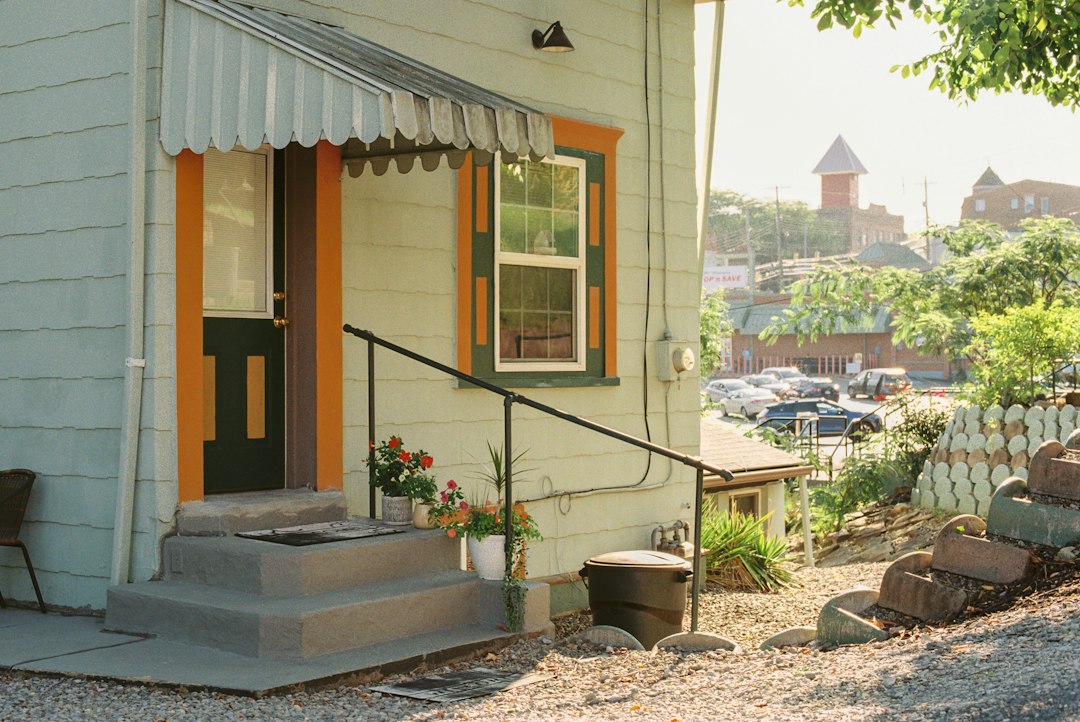
Picture the moment: a stranger walks past your shop, squints at the window, and then taps a screen to look you up. Or they find your page in a directory search at 1 p.m. on a Tuesday, with a meeting across the room and a five minute window to decide. In that flash, they do not read your logo. They do not count your products. They read the short description you wrote to explain what you sell. And if that text is thin, generic, or just a list of words, they keep scrolling. If it is clear and warm, they keep looking. That single sentence is the first thing a stranger reads, and it carries more weight than most owners give it.
Most small shops know this in their gut. They have seen a rival get the customer. They have watched a listing look busy but feel empty. Yet the description itself is one of the most underworked parts of an online presence. It is short enough to fix in an afternoon. It is close enough to the front door that a good rewrite shows up fast. And it is the one place where a business can sound like a real person instead of a category.
What the description has to answer
Strangers are busy. They need a fast answer to three questions: what do you sell or do, who is it for, and why should I trust you enough to click through or call? A good description answers all three in plain words, without turning into a brochure. It names the products or services in a way a real customer would search for. It says who walks in, what they get, and what makes the experience different. It also includes one small detail that makes the page feel like a real place: a neighborhood, a founding year, a favorite thing, a promise about how things are done.
Think of it like the front counter. If a new person walks in and the staff member just points at shelves, they get a weak first impression. If the staff member says, "We fix kitchen faucets and taps for the homes in this area, we have been in the neighborhood since 2005, and we call back within the hour," that person now has a reason to stay. The description is that first sentence, only for the people who have not walked in yet.
Specificity is what makes it work. "Plumbing and home repairs" is true but thin. "A family-run plumbing service for the north side of the city" is useful. The difference is not clever writing. It is simply knowing what you are and saying it without padding. Most owners have that knowledge. They just have never written it down in a way that fits a card on a directory page.
Bad examples and the small fixes
Most weak descriptions fall into a few patterns. One is the copy paste from a template: "We are a leading provider of quality services." That sentence could be on a dozen different shops. Another is the giant product list, where the page reads like a menu and the person has to search through forty lines to find the one thing they came for. A third is the empty confidence line: "Quality, reliability, and great service." Those words are true, but they do not tell the customer what to expect.
The good news is that each fix is small. Add one product detail. Name one customer group. Add one proof line. Replace one vague word with a real one. You do not need to rewrite the whole thing. You need to make the first two or three lines answer the three questions a stranger has. That change alone can lift the whole page.
A simple formula you can use today
Here is a short structure that works for almost any shop. Write three lines. The first line says what you do. The second line says who you help. The third line says what makes you different. Then add one or two extra sentences that give a human reason to trust the page. Keep the first three lines short enough to read in a card view. Keep the rest warm enough to read in a full page.
For a bakery: "We bake sourdough and seasonal pastries for the whole neighborhood. Most orders are ready by 8 a.m., and we keep a small case of gluten free bread for regulars. Come in for coffee and a slice, or order ahead for the weekend." That is specific. A stranger knows what to buy, what to expect, and why it is worth a visit. It also has a natural place for a CTA. A person reading this does not need to guess what to do next. They just need to see a working link to the shop page, the order line, or the download page.
For a software tool: "We help small teams track every customer touch so no one falls through the cracks. It is built for shops, not enterprises, and it sets up in under an hour. You get a shared list that works on the phone and on the desk, with notes that follow the customer instead of the computer." The point is the same. Name the customer, name the product, and add one line that answers the question a real person is already asking.
The formula is not about word count. It is about clarity. A stranger wants to know what they are looking at, who it is for, and why it matters. When the answer is clear, the page earns the next step. When it is not, the page loses the person before they even decide to read more. That is why the description is the first line of the whole online presence.
One more note about tone. A shop description should sound like a person at the counter, not a press release. Use the words a customer would actually say. If people call you "the place for X," use that. If the owner started the business because of a specific reason, say it. If the shop has a long history, name it. If the business is new, say so. A small detail like that makes the page feel real, and a real page feels worth clicking. You do not need a writing team to do this. You need one honest pass through the text and a short list of three answers.
Check it the way a stranger will
One habit that helps more than a rewrite: look at your own page the way a stranger would. Open a directory or a search result on a phone. Scroll until your shop is a card. Read the three lines that show. Then open the full page and read it once without editing. Does the first line tell you what the shop is? Does the second line make sense? Does the whole thing sound like a real place? If you can answer yes to those, the description is doing its job. If any line reads like it could belong to another business, that is a small edit waiting to happen.
Two more things to watch. First, keep the phone and desktop version consistent. A directory may show a short version on a card and a longer one in the full page, so make sure the short version still stands on its own. Second, keep it current. If you open new hours, add a product line, or move to a new corner of town, the description should follow. An old description that still reads like 2023 tells a stranger the business is not paying attention to their details. A current one tells them the business is active.
None of this is a big project. It is a small one. You do not need a full rebrand. You do not need a copywriter on retainer. You need one honest pass through the text and three clear answers. Most owners can finish it in a single sitting, and the difference shows up quickly. The next person who reads the page gets a clearer picture of what the shop is, who it serves, and why it is worth a click. That is the whole job. Write it once, say it plainly, and let the page do the talking. If you want to see how a directory listing works, take a look at MuluShop, the business directory that keeps local shops easy to find.